When India's data protection law starts to apply, why a photo of your face counts as personal data, and how to ask a company to show, fix or delete it.
- Does the DPDP Act protect your photos?
- Mostly, yes. A digital photo of your face is personal data under India's Digital Personal Data Protection Act 2023, so a company needs your consent or a legitimate use listed in the law. Most duties, including notice, consent and your rights, start in May 2027 under the DPDP Rules 2025. Photos you made public yourself fall outside it.
The DPDP Act covers photos of you the same way it covers your phone number, but it does not switch on all at once. This is general information, not legal advice.
What are the DPDP Act and the DPDP Rules 2025, and when do they apply?
Parliament passed the Digital Personal Data Protection Act on 11 August 2023, the PIB backgrounder notes. The Act sets the principles; the Rules fill in details such as what a consent notice must say.
The Gazette notification for the Rules is dated 13 November 2025, while the PIB gives 14 November as the date they were notified. Rule 1 then starts the clock in three stages:
| Stage | What comes into force | When |
|---|---|---|
| On publication | Definitions and the set-up of the Data Protection Board (rules 1, 2 and 17 to 21) | November 2025 |
| After one year | Registration of consent managers, services that hold and manage your consents (rule 4) | November 2026 |
| After 18 months | Notice, security, breach alerts, children's data, your rights, grievance replies and appeals (rules 3, 5 to 16, 22 and 23) | May 2027 |
So, as of November 2026, you cannot yet force a company to answer a request under the Act. In November 2025 the IT Minister said the government might shorten this timeline, PTI reported. Until an amendment appears in the Gazette, May 2027 is the date in force.
Are your photos and face personal data under the DPDP Act?
Yes. Section 2(t) defines personal data as "any data about an individual who is identifiable by or in relation to such data". A clear photo of your face fits. So does a face template, the string of numbers a face recognition system makes from your photo.
It covers digital data and paper records digitised later, so a selfie, a CCTV clip and a scanned passport photo all count.
Europe's GDPR makes biometric data used to single out a person a special category, under Article 9. The words "biometric" and "sensitive" do not appear in the DPDP Act or the Rules, so your face gets the same protection as your email address, no more.
What does consent under the DPDP Act look like for a photo?
You are the Data Principal. The organisation deciding how your data is used is the Data Fiduciary. Under section 4, it needs your consent or a "legitimate use" from section 7, such as a medical emergency or data you handed over for a stated purpose.
When it asks for consent, rule 3 says the notice must stand on its own, in plain language, and list:
- an itemised description of the data, for example "photo of your face"
- the specific purpose, and the service it enables
- a link or other way to withdraw consent, use your rights and complain to the Board
Section 6 adds that consent must be free, specific and limited to the data needed, and that withdrawing it must be as easy as giving it. A pre-ticked box buried in the terms does not meet that bar.
Children's photos
Anyone under 18 is a child under the Act. A company must get verifiable consent from a parent before processing a child's data, and it cannot track children, profile their behaviour or target ads at them, under section 9. Rule 10 lets the parent prove they are an adult with details the company already holds or with a token, for example through DigiLocker.
What rights do you have over your photos, and how do you use them?
Once the 18-month stage begins, you can ask a Data Fiduciary you gave consent to for the following, under sections 11 to 14:
| Right | What it gets you for a photo |
|---|---|
| Access (section 11) | A summary of your data and what is done with it, plus the names of other companies it was shared with |
| Correction and erasure (section 12) | A wrong photo fixed, or your photo deleted unless a law requires them to keep it |
| Grievance (section 13) | A working complaints channel and a reply within a set time |
| Nomination (section 14) | Someone you choose can use these rights if you die or cannot act |
The steps, per the Act and rule 14:
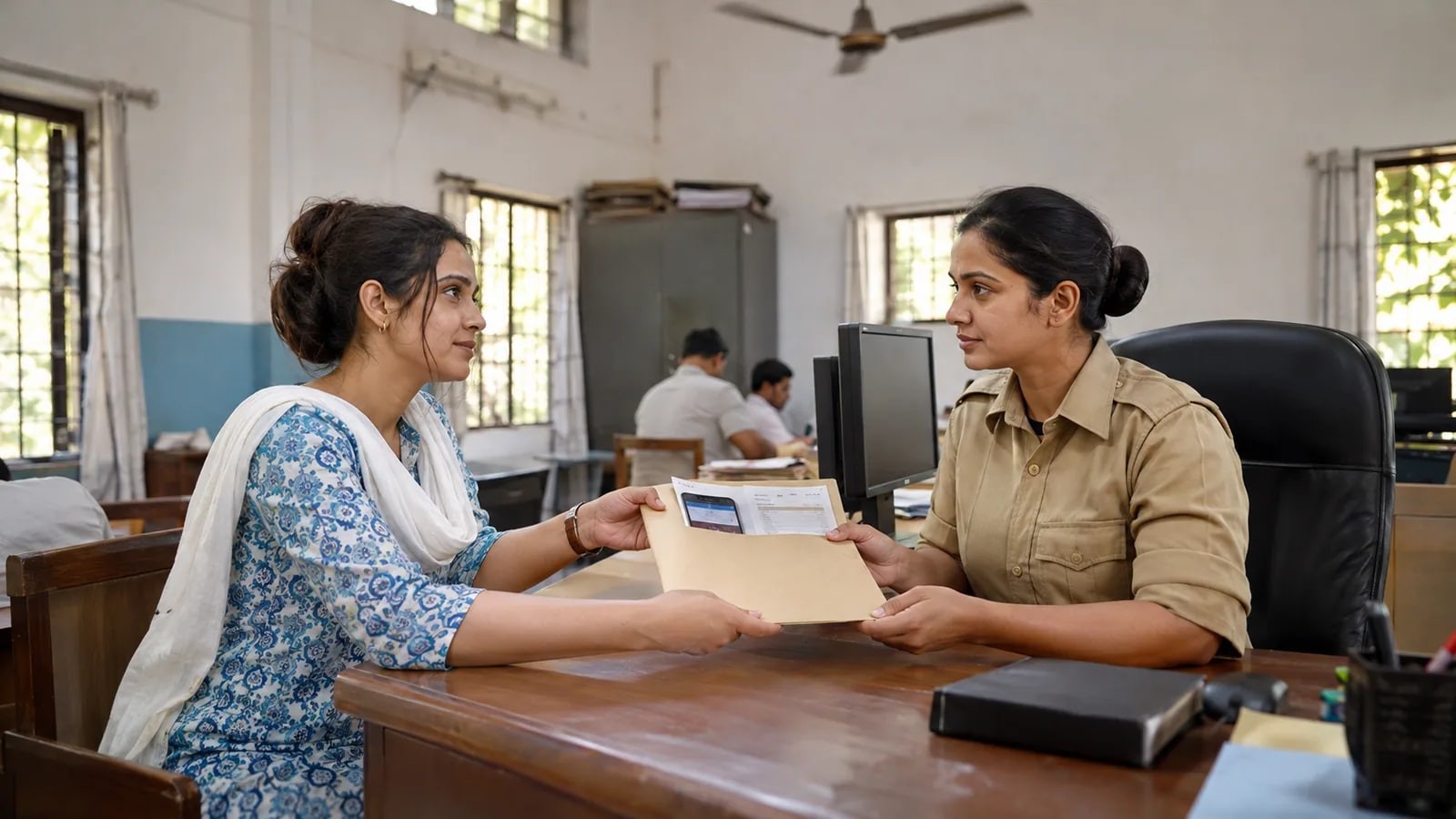
- Find the request method and contact person the company must publish on its website or app.
- Send your request with the identifier it asks for, such as your registered mobile number. Keep a copy.
- Wait up to 90 days. The PIB says companies must reply within ninety days.
- If the reply fails you, complain to the Data Protection Board. Section 13(3) says you must use the company's grievance channel first.
The PIB says you will file and track complaints online, with appeals going to TDSAT, the telecom appeals tribunal. One catch: as of August 2026, the Board had no appointed Chairperson or Members, LiveLaw reported.
What about photos you posted publicly yourself?
Section 3(c)(ii) says the Act does not apply to personal data that you made, or caused to be made, publicly available. Its own illustration is a woman blogging her views on social media.
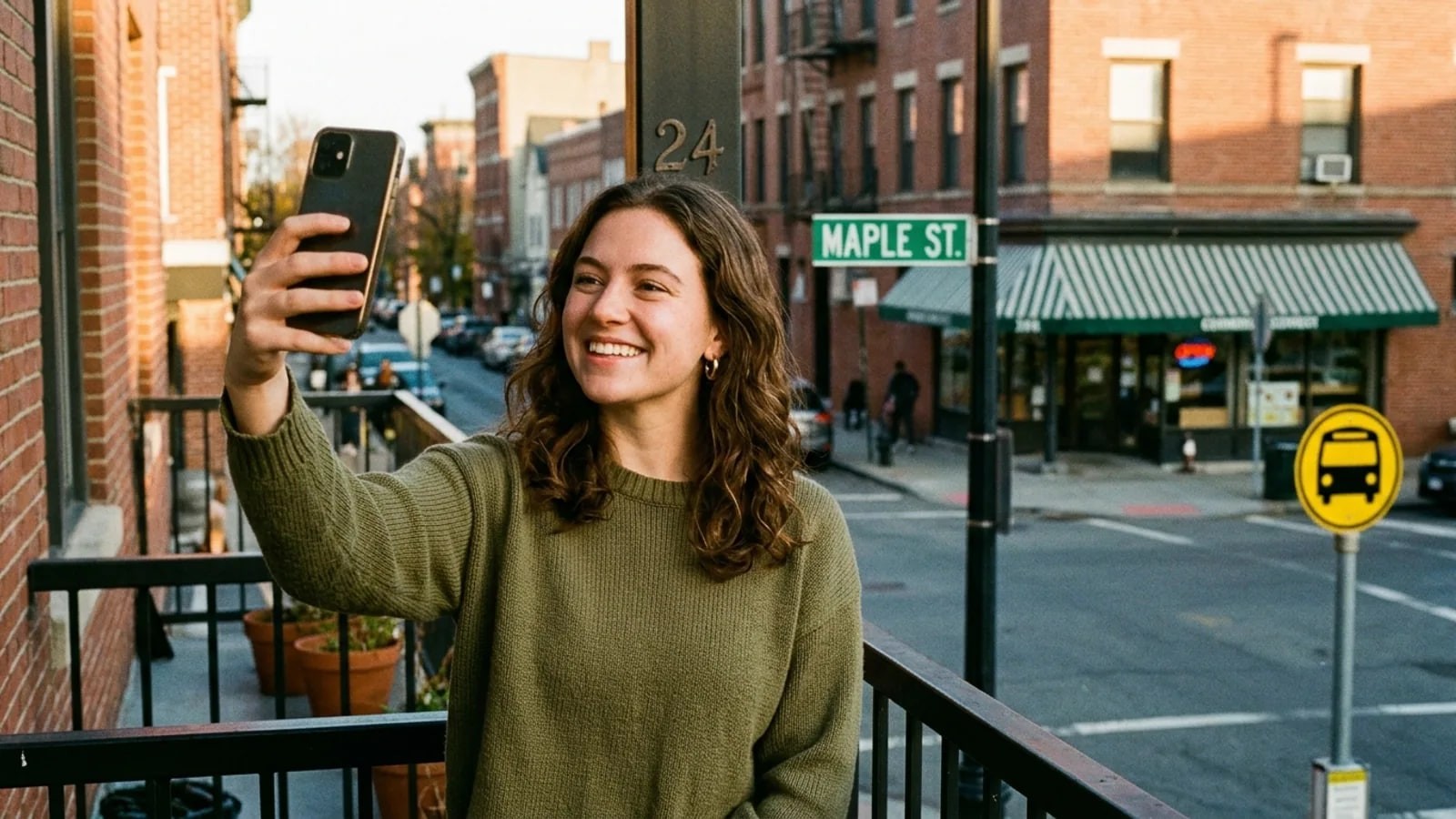
A photo on your public Instagram or LinkedIn profile sits outside the Act, so you have no consent or erasure right against someone who copies it from there. Making the account private or deleting the post is your strongest move. The Board has not ruled on this yet. Our page on whether face search is legal in India covers what this means for search engines.
Three everyday examples
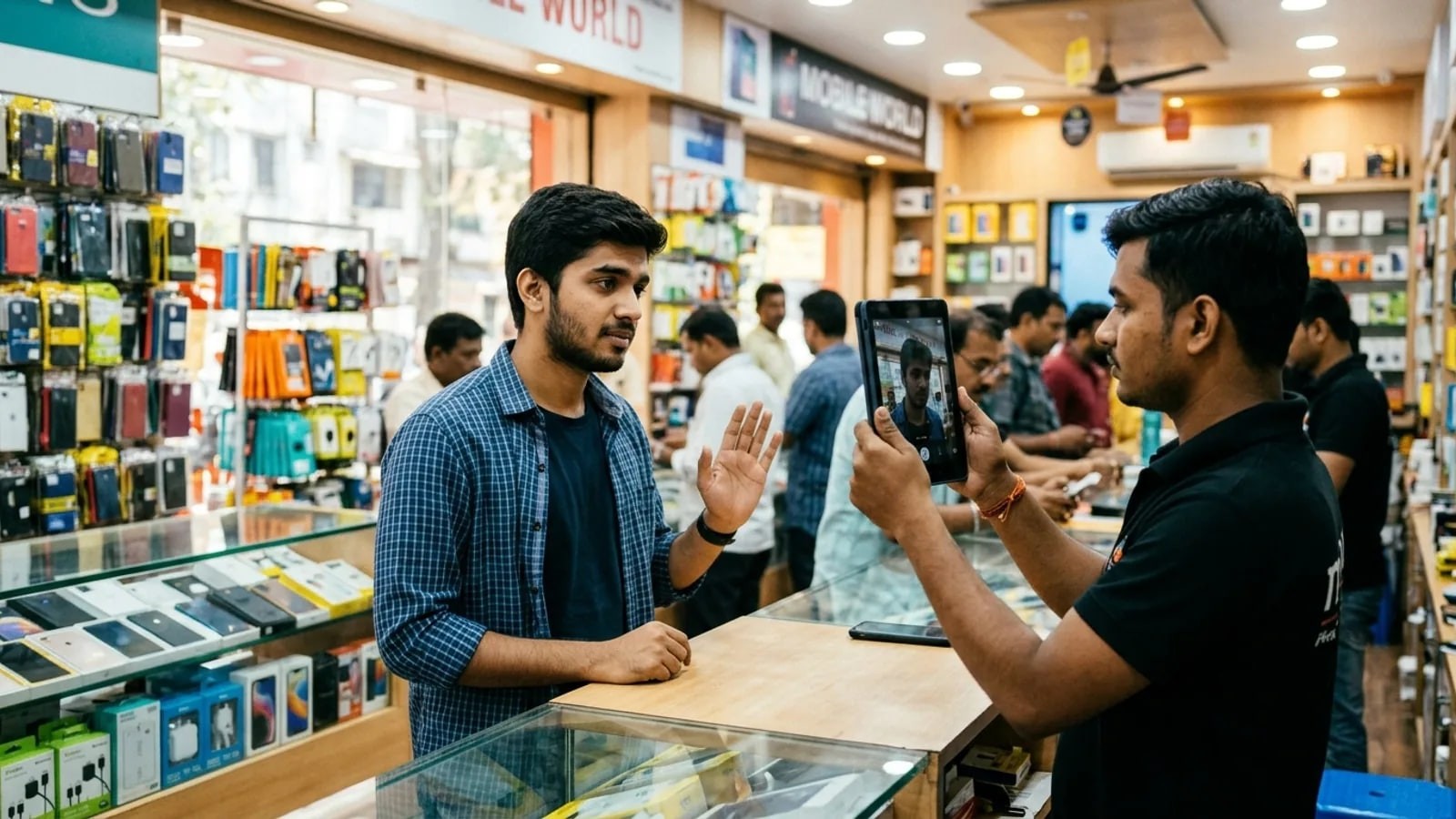
A mobile shop photographs you for a warranty card. From May 2027 the shop needs a notice saying "photo of your face" and why. If you agree, you can later withdraw and ask for deletion under sections 6 and 12, unless another law requires the shop to keep it.
A photo editing app keeps your selfie. Your consent covers only the stated purpose, say applying a filter. Training a face model needs that purpose in the notice. You can ask which other companies received your selfie under section 11.
A relative posts your photo publicly. The public data exemption covers only what you made public, so it does not apply. But the Act also excludes an individual's "personal or domestic" use under section 3(c)(i), and how that fits a public post is unclear. Use the platform's reporting tool. If the photo is used to impersonate or harass you, see our guide to filing a cyber crime complaint online in India.
What the DPDP Act does not do for your photos
It does not pay you. The Board can fine a company up to ₹250 crore for weak security, the PIB notes, but that money goes to the government, not to you.
It does not take a photo down from a website fast. For impersonation or morphed images, the IT Rules takedown routes are quicker, and they are covered on our India law page.
It does not tell you where your photos are. You can only write to a company you know about, and a single photo travels further than most people expect, as our post on what one photo reveals shows. FaceSearch shows public pages where a similar face appears. It cannot see private accounts, sometimes returns look-alikes, and never tells you who someone is. Our responsible use rules forbid using it to track anyone.
More plain-language guides on privacy law and face search are in the Learn hub.
frequently asked
- Can I get compensation under the DPDP Act if a company misuses my photo?
- Not through the Board. It can investigate your complaint and fine the company, but section 34 of the DPDP Act sends penalties to the Consolidated Fund of India. If you suffered a real loss, ask an advocate whether a civil claim or another law fits your case.
- Does the DPDP Act apply to a foreign app that has my selfie?
- Yes, in most cases. Section 3(b) of the Act covers processing outside India when it is linked to offering goods or services to people in India. An overseas photo app or dating service with Indian users must follow the same notice, consent and rights rules from May 2027.
- Do I have any duties under the DPDP Act?
- Yes. Section 15 of the Act says you must not impersonate someone, file a false or frivolous complaint, or give false details when asking for a correction. Breaking these duties can cost up to ₹10,000. A good-faith request about your own photos is exactly what the law expects.
- dpdp act
- dpdp rules 2025
- india
- data protection
- consent
- 2023
Written by
The FaceSearch Team
Product & Research, FaceSearch
We build FaceSearch, the face search engine that shows where your photos appear on the public web.