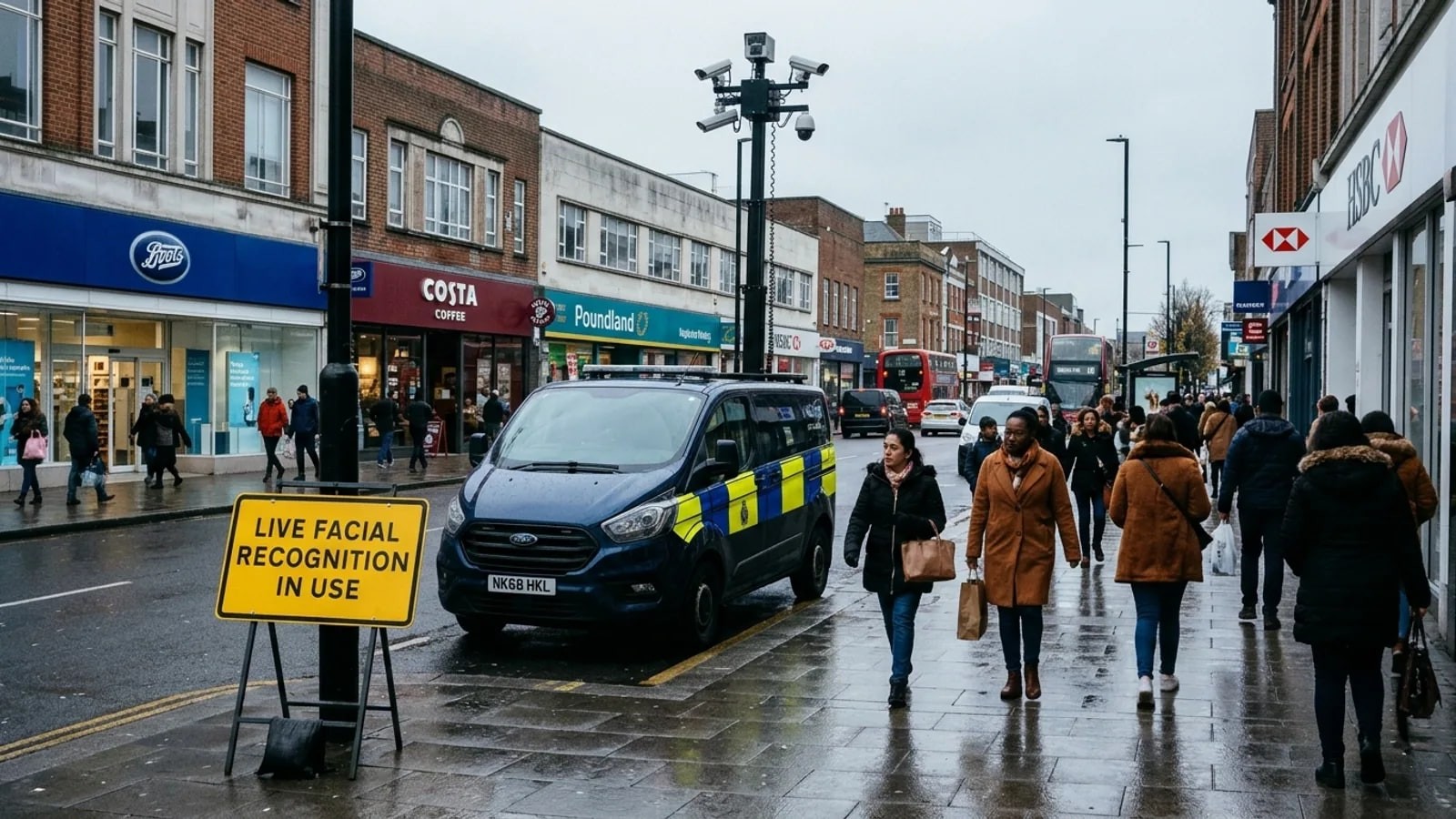
The EU's privacy board says camera glasses can film you almost invisibly and that adding face recognition is a high risk. What it asked for and how to spot recording glasses.
- What did the EU say about smart glasses and facial recognition?
- On 13 October 2026, the European Data Protection Board said smart glasses can record people almost invisibly, and that pairing them with face recognition poses a high risk in public spaces. It told makers and AI providers they can't leave transparency to wearers. Meta said in June 2026 that face recognition had not shipped.
The European Data Protection Board (EDPB), the group of all EU data protection regulators, adopted Statement 01/2026 on 13 October 2026. On smart glasses, facial recognition and privacy in public, it is the clearest sign yet of how EU regulators read the law, as of November 2026.
What did the EDPB say about smart glasses?
The board calls its text "preliminary reflections", and Al Jazeera describes it as a non-binding recommendation. The key points in the statement:
- Glasses that look like ordinary eyewear allow "near invisible or hidden" recording (para 7).
- Using them with "facial or voice recognition systems" poses "a high risk" to rights in public spaces (para 7).
- The maker or AI provider that analyses camera images with people in them is a controller, and "should not rely on the users' actions" to inform bystanders (paras 17 and 18).
- Consent asked for after recording doesn't count (para 29).
EDPB Chair Anu Talus said in the board's release: "Even in public spaces, bystanders should clearly understand that someone is filming or photographing them."
Do Meta Ray-Ban glasses have face recognition?
Not as a feature you can use. In June 2026, WIRED found unreleased code called "NameTag" in the Meta AI app, as 9to5Google reported. Meta said: "Nothing has shipped to consumers and no final decision has been made on what to do here, if anything."
The EFF reported that an app update on 5 June 2026 removed the unactivated code. Meta hasn't said it dropped the idea.
What does EU law already say about facial recognition in smart glasses?
Under the GDPR, a face template made to identify someone is biometric data (Article 4(14)). Article 9 bans processing it for that purpose unless an exception applies, usually explicit consent, which a passer-by hasn't given.
The AI Act, Article 5, has applied since 2 February 2025. Point (e) bans building face recognition databases by untargeted scraping of images from the internet or CCTV. Point (h) bans real-time remote biometric identification in public spaces, but only for law enforcement. It doesn't cover a private wearer, so for consumer glasses the GDPR does most of the work.
Filming friends for yourself falls under the household exemption, but posting the clip on a public account makes you a controller (statement, para 14). Our guide to face search law in the EU covers these articles in depth. This is general information, not legal advice.
What does smart glasses facial recognition mean for your privacy in public?
Being filmed in public isn't new. Being named by a stranger's glasses would be. The EDPB also warns that people change how they act when they think they're recorded (para 8), and singles out children as more vulnerable (para 32).
How can you tell if smart glasses are recording you?
Look for a small lens near the hinges. The EDPB statement lists the signals makers should use (para 24):
- A light. Meta's privacy page says its white capture LED blinks for a photo and keeps blinking during video, and the camera is disabled if the light is covered.
- A spoken command, such as someone saying "take a photo".
- A phone alert. Some apps spot nearby glasses by their Bluetooth signal, though the EDPB notes they can't yet tell if the glasses are recording.
If you're unsure, ask. Meta's own page tells wearers to stop recording when someone asks.
What can you ask for under the GDPR?
If footage of you reaches a company, the GDPR lets you ask what it holds (Article 15), ask it to delete the images (Article 17) and object to the processing (Article 21). If it ignores you, complain to your national data protection authority (Article 77). For a clip a private person posted, the Learn hub covers platform removal.
What should you watch next?
The EDPB says it will keep working on smart glasses, so formal guidelines may follow. Al Jazeera reports Norway wants a temporary ban in some public places. And watch whether Meta revives NameTag in Europe.
A face search of the public web differs: you upload a photo you already have and get public pages with a similar face, no name and no live camera. FaceSearch works this way, can't see private accounts and returns look-alikes; our responsible use rules forbid tracking strangers, and privacy by design covers your upload.
frequently asked
- Is the EDPB statement binding on smart glasses makers?
- No. It's an initial statement of how EU regulators read the GDPR, not a new law or a fine. It still matters, because the same national authorities enforce the GDPR and decide complaints, so a maker that ignores it takes a known risk.
- Can a shop, gym or school ban smart glasses?
- Yes. A business or school can set house rules about cameras on its own premises, and the EDPB notes that some already restrict smart glasses. Recording in changing rooms or clinics can also break national law. If someone ignores a posted rule, ask the staff to deal with it.
- Do these rules protect me outside the EU?
- The GDPR covers companies outside the EU that offer services to people in the EU, so a maker selling glasses in Europe must follow it there. Elsewhere, local privacy and filming laws apply instead, and some places, including California, are debating bills on wearable recording devices.
- smart glasses
- facial recognition
- edpb
- gdpr
- ai act
Written by
The FaceSearch Team
Product & Research, FaceSearch
We build FaceSearch, the face search engine that shows where your photos appear on the public web.